

Cold weather often creates the impression that mosquitoes disappear entirely. In reality, winter changes mosquito behavior rather than eliminating the risk. Mosquitoes adapt to colder conditions by entering dormant stages, sheltering in protected environments, or relying on standing water that remains unfrozen. Understanding these winter survival strategies explains why mosquito control continues to matter even when temperatures drop.
Winter is a critical planning period. Conditions that allow mosquitoes to survive unnoticed during colder months often lead to early population spikes when temperatures rise again. Addressing mosquito pressure during winter helps reduce breeding potential and limits activity before peak season returns.
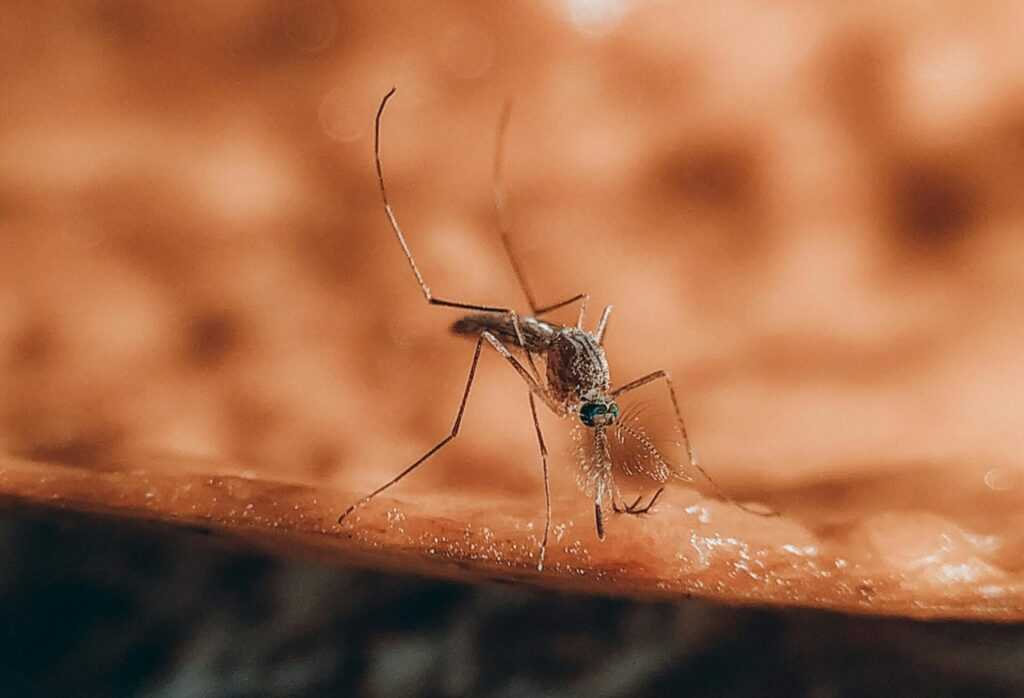
How mosquitoes survive cold winter conditions
Mosquitoes have evolved survival strategies that allow populations to persist even during prolonged cold weather. Rather than remaining fully active, mosquitoes shift into survival modes that protect future generations and allow rapid resurgence when conditions improve.
- Adult mosquitoes seek sheltered microenvironments such as garages, crawl spaces, sheds, and utility areas where temperatures remain above freezing
- Some species enter a dormant state, conserving energy while waiting for warmer conditions
- Many mosquitoes overwinter as eggs laid in moist, protected areas that remain viable for months
- Larvae can survive in standing water that does not freeze completely, including drains, irrigation systems, and shaded containers
- Reduced metabolic activity allows mosquitoes to withstand extended cold periods without feeding
These adaptations mean winter does not interrupt the mosquito life cycle. It simply slows visible activity. Eggs laid in late fall often remain intact throughout winter, hatching quickly once temperatures rise. This compressed development cycle explains why mosquito populations can surge early in spring before control measures are in place.
Because survival occurs out of sight, winter mosquito pressure is easy to underestimate. Professional mosquito control accounts for these hidden survival stages, focusing on disruption before mosquitoes regain full activity rather than responding after populations expand.
Winter breeding risks many homeowners overlook
Winter does not remove breeding opportunities. Instead, it concentrates them in fewer locations that often go unnoticed. Small amounts of standing water combined with shelter create ideal conditions for overwintering mosquitoes.
- Clogged gutters holding moisture and debris
- Outdoor containers protected from freezing temperatures
- Low spots in yards that retain water after rain
- Drainage systems with slow-moving water
Even minimal water sources can support mosquito eggs throughout winter. Understanding where these risks develop is essential for effective mosquito control planning. Insight into overlooked risk areas can be found through guidance on seasonal breeding grounds, which highlights why winter monitoring helps prevent spring outbreaks.
Reducing these risks during colder months disrupts mosquito life cycles before populations expand.
Why winter mosquito control supports year-round protection
Mosquito control during winter focuses on prevention rather than reaction. Addressing conditions that support overwintering reduces the likelihood of early-season infestations.
- Limits egg survival before hatching season
- Reduces sheltered adult populations indoors
- Prevents early breeding cycle acceleration
- Improves effectiveness of spring treatments
Winter attention allows professionals to evaluate properties under low-pressure conditions. This makes it easier to identify vulnerabilities, standing water risks, and shelter points that may be overlooked during peak mosquito season.
A layered approach to pest management is particularly effective for mosquito control, as it addresses multiple life stages and environmental factors. Understanding how ongoing protection works across seasons is explained through insights on year-round protection layers, which reinforces why winter planning strengthens long-term results.
Indoor and sheltered mosquito activity during winter
While mosquito activity slows outdoors, some mosquitoes move indoors seeking warmth and humidity. This can lead to unexpected sightings during winter months.
- Mosquitoes shelter near plumbing and utility areas
- Basements and garages provide stable temperatures
- Moist indoor environments support survival
- Reduced disturbance allows mosquitoes to remain hidden
Indoor mosquito activity often goes unnoticed until temperatures rise slightly or heating systems create favorable conditions. Addressing shelter opportunities during winter reduces the chance of indoor encounters and limits survival through the cold season.
Professional assessment helps identify where mosquitoes may be overwintering inside structures and what conditions support their presence.
Why professional mosquito control matters in winter
Winter mosquito control requires an understanding of mosquito biology, seasonal behavior, and environmental conditions. Addressing only visible activity often leaves dormant populations untouched.
Professional mosquito control focuses on evaluating the full environment rather than isolated symptoms. This includes identifying breeding risks, shelter locations, and conditions that allow mosquitoes to survive winter months. By addressing these factors early, long-term control becomes more effective and predictable.
Mosquito control is not limited to warm weather treatment. Winter efforts play a key role in reducing population pressure before activity resumes. A proactive approach during colder months leads to fewer surprises and more manageable conditions when temperatures rise.
Seasonal consistency is essential. When mosquito control aligns with how mosquitoes adapt throughout the year, results improve and repeated infestations become less likely.
Prepare now for fewer mosquitoes later
We understand how mosquito behavior changes during cold winter months and how early action supports lasting mosquito control. For professional protection and seasonal planning, contact EcoGen Pest Control so we can help protect your property before mosquito activity returns.