

Protecting a home from pests takes more than reacting to the insects or rodents that happen to be visible. In Las Vegas, ants, spiders, cockroaches, earwigs, crickets, silverfish, scorpions, black widows, mice, and rats can all exploit moisture, shade, food, and structural openings at different times of the year. A five-layer approach creates overlapping defenses around the property.
Effective pest protection combines inspection, exterior barriers, interior safeguards, targeted treatment, and ongoing monitoring. Each layer serves a different purpose, with the strongest results coming from coordination. That coordinated structure helps professionals respond to current activity while also reducing the conditions that make future infestations more likely.
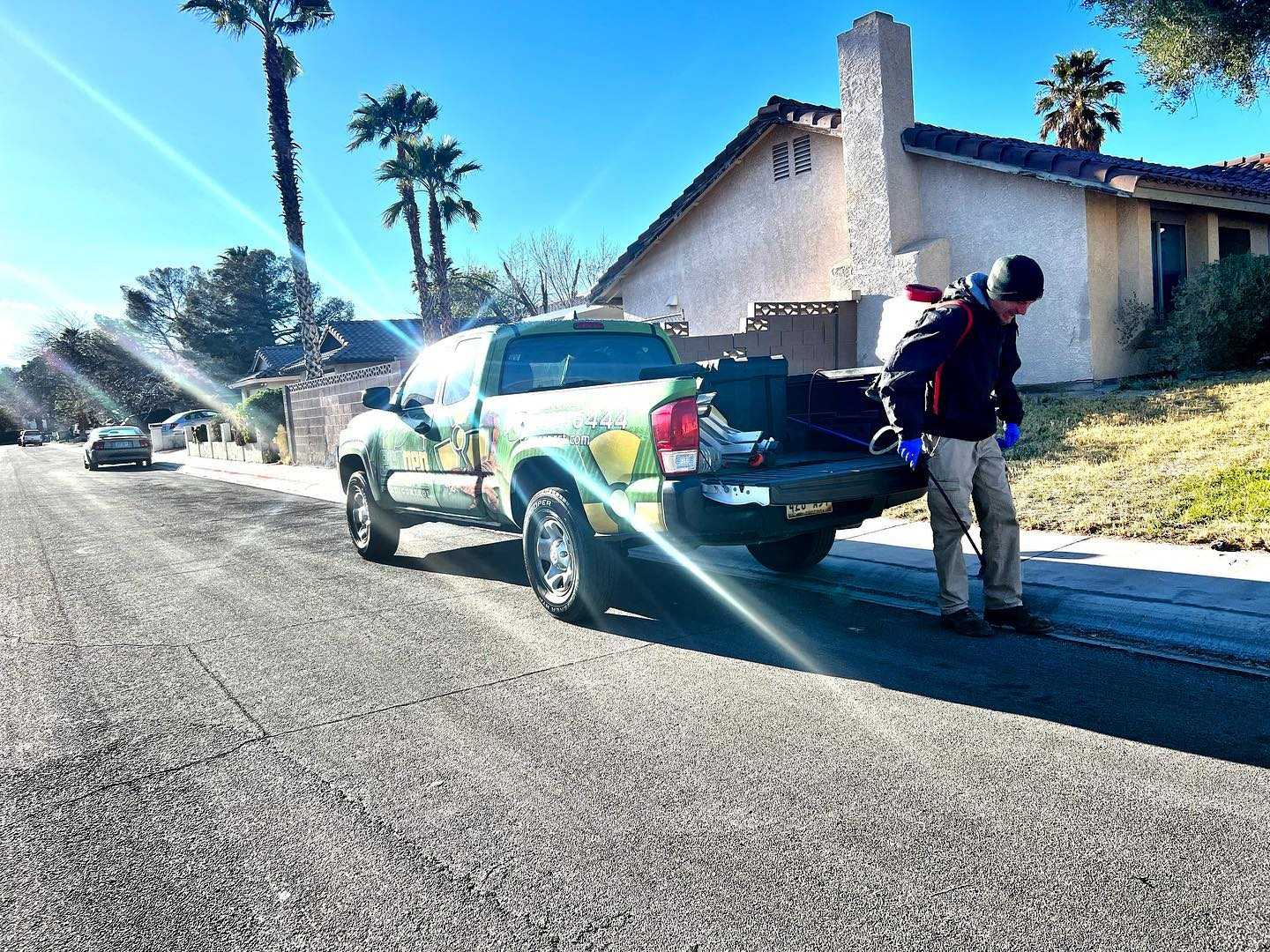
Inspection And Exterior Defense Stop Problems Earlier
The first layer begins with understanding what is happening around the property. A professional inspection looks for pest evidence, moisture, entry points, and harborage. Exterior defense can then focus where pests are most likely to approach.
Important inspection and perimeter priorities include:
- Foundation edges where ants, cockroaches, or scorpions may travel
- Irrigated landscaping that creates moisture in an otherwise dry climate
- Garage-door gaps, thresholds, vents, and utility penetrations
- Eaves and exterior surfaces where spiders and black widows may establish webs
- Sprinkler boxes and shaded areas that can shelter insects
- Yard boundaries where pests may move in from neighboring properties
A late-summer review of seasonal pest hot spots shows why conditions can remain favorable even as the hottest part of summer begins to ease. Moisture, food, shelter, and access routes may continue supporting pest activity into fall.
Exterior defense helps intercept pests before they reach indoor spaces. That may include foundation and property-perimeter barriers, treatment around sprinkler boxes, and removal of webs from eaves and other protected exterior surfaces.
Interior Protection And Targeted Treatment Address Active Areas
The next layers focus on pests that have already moved closer to or inside the structure. Interior treatment should not mean applying products everywhere. A more precise approach uses evidence from the inspection to determine which entry points, rooms, voids, or harborage areas actually require attention.
Targeted indoor protection may involve:
- Light interior barriers around confirmed entry areas
- Treatment in garages where pests can move between outdoors and living spaces
- Baits or monitoring stations placed according to pest behavior
- Focused applications for ants, cockroaches, spiders, scorpions, or other handled pests
- Traps or exclusion measures when mice or rats are involved
- Follow-up treatment when activity persists after the first service
Different pests require different placement strategies. Scorpions often depend on insect prey and sheltered exterior routes, while cockroaches may concentrate near moisture and food. Mice and rats may use garage gaps, rooflines, or utility openings. Treating every pest the same way can miss the source.
Professional judgment also helps reduce unnecessary treatment by focusing methods where activity is confirmed.
Monitoring And Follow-Up Make Protection More Reliable
The final layers add consistency. Pest pressure changes with temperature, irrigation, rainfall, food availability, and seasonal movement. A barrier that worked well during one part of the year may need to be refreshed or adjusted as conditions change.
Ongoing protection can include:
- Rechecking areas where activity was found during earlier visits
- Reestablishing exterior barriers as weather and exposure reduce their effectiveness
- Monitoring bait stations, traps, or known rodent travel routes
- Removing new spider webs and reviewing eaves for renewed activity
- Adjusting treatment when seasonal pests become more active
- Providing re-service when live activity appears between scheduled visits
This is where summer prevention planning connects naturally with a layered system. Las Vegas heat, irrigation, shade, and dependable indoor resources can shift pest behavior quickly, so follow-up gives technicians a chance to compare conditions over time.
Monitoring also helps distinguish isolated sightings from recurring patterns that may indicate a hidden route requiring attention.
A five-layer system is effective because no single method has to carry the entire burden. Inspection identifies the problem. Exterior defense reduces incoming pressure. Interior protection addresses pests that cross the boundary. Targeted treatment focuses on active areas. Monitoring and follow-up help confirm whether the plan is working.
That structure is useful where desert pest behavior can change quickly. Hot weather may drive pests toward moisture and indoor shelter, while cooler periods can alter where rodents and insects concentrate. Irrigation, landscaping, garage storage, and structural gaps can also create micro-environments that remain attractive even when outdoor conditions shift.
Long-term pest protection depends on keeping all of these pieces connected. If one route becomes active again, the system can be adjusted without starting over. If a new pest appears, inspection and monitoring provide context before treatment is changed.
Homeowners benefit most from a plan that is proactive, evidence-based, and designed around the property rather than a one-time response to a single sighting. Layered protection creates a clearer way to manage both current pest pressure and future risk.
Build A Stronger Defense Around Your Home
If you want a structured, five-layer approach to year-round pest protection, contact EcoGen Pest Control for professional inspection, targeted treatment, monitoring, and ongoing prevention.