

A home can look clear of pests while activity continues behind the scenes. Ants may follow a route beneath a threshold, cockroaches can occupy narrow cabinet gaps, and rodents may move through an attic without crossing a living room. Waiting for a dramatic sighting can leave homeowners uncertain about how long an infestation has been developing.
Routine pest control offers a different perspective. Instead of treating only the insect visible today, our technicians examine accessible areas for signs of activity and conditions that make future problems more likely. In Las Vegas, where irrigation, heat, and seasonal weather shifts influence pest behavior, regular assessments help keep prevention relevant to the individual property.
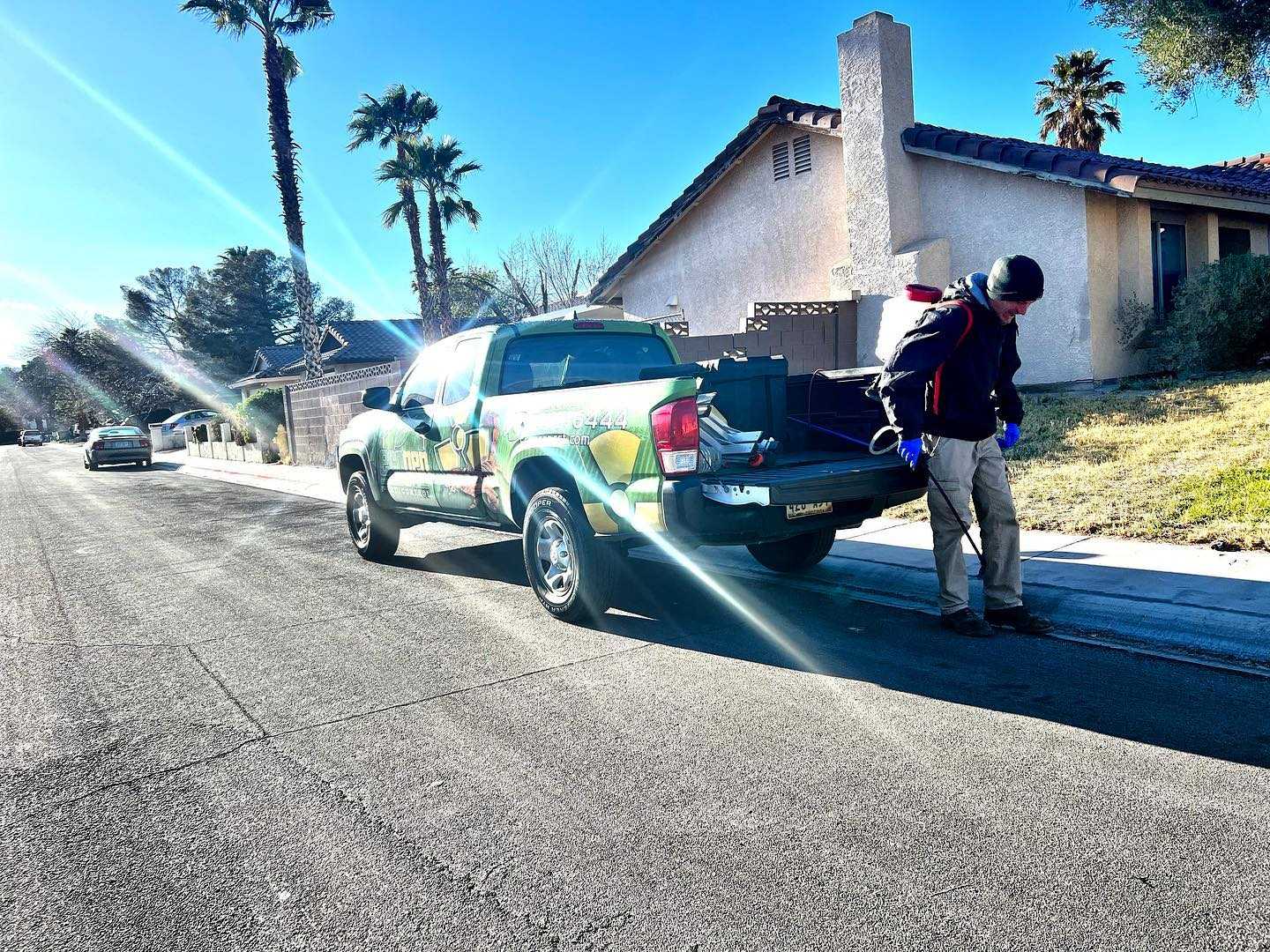
Hidden Activity Often Starts Beyond Everyday View
Many pests are adapted to spending time in protected places. A quiet kitchen does not rule out insects behind appliances, just as a tidy garage does not exclude movement through roofline openings. Different species leave different clues, and identifying those clues is the first step toward a useful response.
Our inspections may look for:
- Droppings: Evidence near storage or utility connections can help identify rodent or cockroach activity.
- Insect remains: Shed skins and egg cases may reveal concealed populations or earlier infestations.
- Entry gaps: Damaged seals, vents, and pipe penetrations can provide possible access routes.
- Moisture conditions: Leaks and irrigation-related dampness may sustain certain insects around buildings.
- Repeated patterns: Sightings concentrated near one wall or cabinet can help narrow the search.
An opening does not prove a pest has used it, and older evidence may remain after successful treatment. That is why we examine context, freshness, and species rather than treating every suspicious mark as confirmation of an active infestation.
Our article on year-round pest protection outlines the value of combining inspection, perimeter attention, targeted interior care, and monitoring. A layered approach makes more sense than relying on one application to address every possible pest.
Property Conditions Can Change Between Service Visits
Even if a previous treatment worked, the building and its surroundings do not stay the same. Weatherstripping deteriorates, stored belongings accumulate, and irrigation patterns change. In a desert climate, shaded outdoor areas can remain moist while exposed ground is dry, creating different conditions around the same home.
A recurring service review may prioritize:
- Foundation transitions: Gaps and connected utility openings may become more accessible as materials wear.
- Landscape borders: Dense vegetation and damp mulch may conceal pests near exterior walls.
- Garage storage: Boxes and supplies can shelter activity that was absent during an earlier visit.
- Plumbing areas: Minor leaks and condensation may sustain insects in otherwise dry rooms.
- Prior problem spots: Previously treated locations deserve comparison with current evidence.
Routine care should not mean automatically applying the same products everywhere. Our five-layer protection process includes inspections, exterior defense, interior attention where appropriate, targeted treatment, and continuing monitoring. The findings determine which steps need emphasis during each appointment.
We also explain when a structural or plumbing correction is outside pest-control work. Repairing a leaking pipe and addressing an infestation are complementary tasks, but they are not interchangeable. Understanding that distinction helps homeowners prioritize improvements without expecting pesticide treatment to solve a building defect.
Monitoring Makes Prevention More Responsive Over Time
An isolated service visit provides a snapshot. Repeated observations can show whether earlier activity has declined, whether an identified gap was repaired, and whether a new concern has developed elsewhere. This record is especially useful when pest activity varies by season or when a home has a history of recurring problems.
A routine plan may provide:
- Baseline records: Documenting initial findings creates a reference for later comparisons.
- Focused treatments: Applications follow confirmed pests and suitable placement requirements.
- Seasonal adjustments: Current temperature, rainfall, and irrigation conditions guide inspection priorities.
- Clear follow-up: Homeowners know which signs to report between scheduled visits.
- Practical recommendations: Storage, exclusion, and maintenance concerns can be addressed in a sensible order.
Our guide to reducing seasonal pest activity explains how moisture and structural openings may become more relevant as conditions shift. Those principles do not stop being useful when another season begins. Regular monitoring makes it possible to respond to the actual changes rather than an assumed calendar of pests.
No company can promise that another insect will never enter a home. What professional recurring service can offer is continuity: documented observations, appropriate treatment when needed, and earlier recognition of conditions that deserve attention. Homeowners gain a clearer understanding of their property instead of waiting for repeated sightings to establish that something has gone wrong.
This continuity also makes routine visits more useful for households with pets, young children, or restricted access areas. Technicians can account for where people spend time, explain treatment precautions, and avoid unnecessary applications in spaces without confirmed activity. Better communication makes the service easier to understand and maintain.
Keep Prevention Working Beyond One Visit
If you want a more consistent approach to pest management, contact EcoGen Pest Control to discuss routine service. Our team can inspect accessible areas, explain suitable treatment options, and establish a monitoring plan based on your property.