

Scorpions are highly adaptive pests that thrive in dry climates where shelter, warmth, and insect activity are readily available. Around residential properties, they often hide beneath rocks, inside block walls, near foundations, or within quiet storage areas during the day before becoming active at night. Homeowners may not realize scorpions are nearby until sightings begin increasing indoors or around outdoor living spaces.
Effective scorpion control focuses on reducing the conditions that attract and support activity around the home. Because scorpions often follow food sources such as spiders, cockroaches, crickets, and other insects, long-term prevention usually involves a broader pest management strategy rather than addressing scorpions alone.
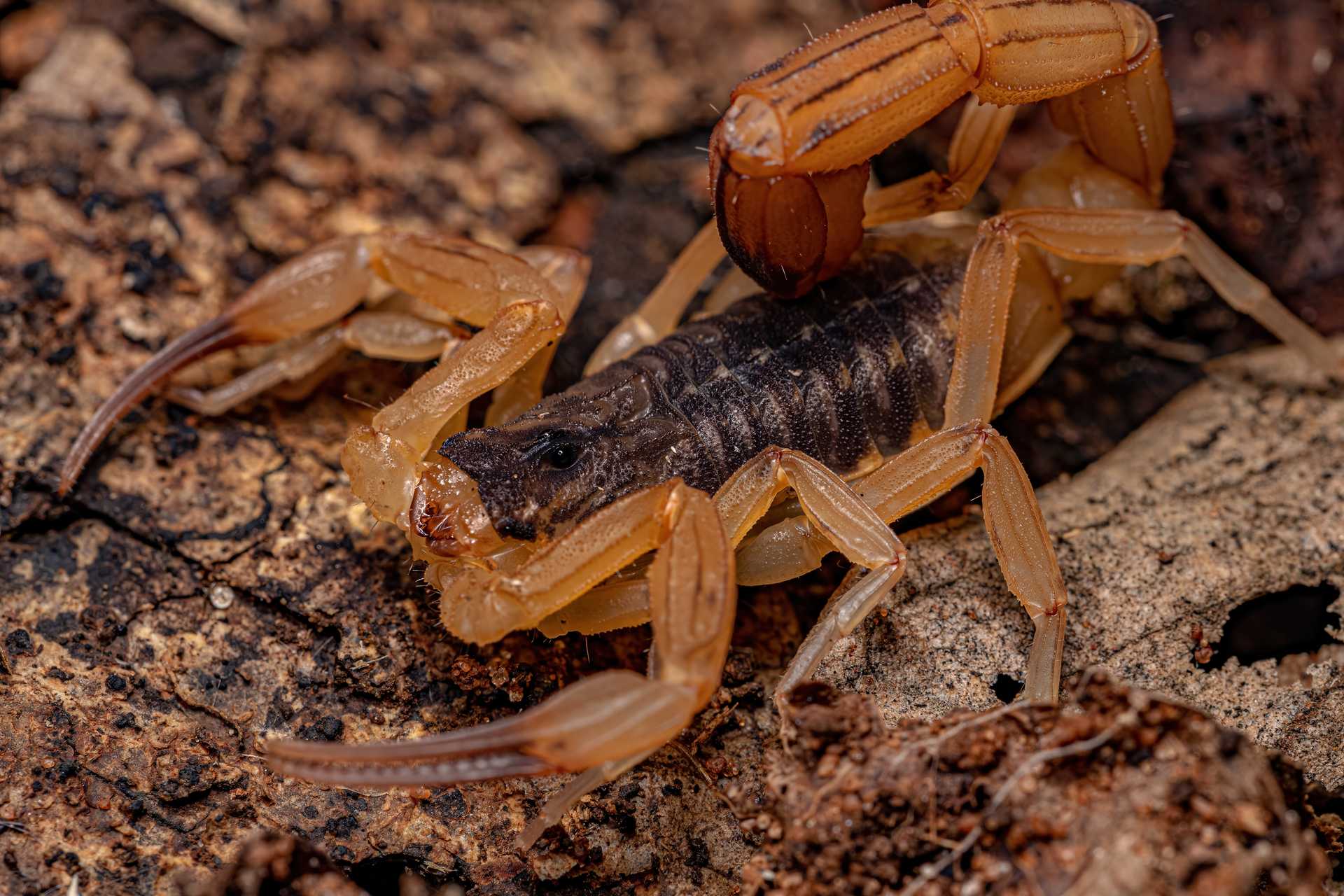
Exterior Shelter Areas Often Increase Activity
Scorpions prefer protected outdoor environments where temperatures remain cooler and hidden spaces are available throughout the day. Landscaping, debris, structural gaps, and outdoor clutter can all contribute to higher activity near residential structures.
- Decorative rocks may create a hidden daytime shelter
- Wood piles can support insect and scorpion activity
- Dense vegetation increases shaded harborage areas
- Exterior clutter may provide quiet hiding spaces
- Cracks near the foundations allow movement toward the home
When outdoor shelter remains undisturbed, scorpions may continue moving closer to patios, garages, entryways, and indoor living areas. Small environmental changes around the property often influence how active scorpions become near structures.
Professional scorpion control inspections help identify these harborage zones while evaluating how outdoor conditions contribute to recurring sightings. This broader inspection process often uncovers conditions homeowners may not notice during routine maintenance.
Insect Activity Frequently Attracts Scorpions
Scorpions are predators, which means their presence often signals that other insects are active nearby. Homes experiencing cockroach, ant, spider, or cricket activity may unintentionally support scorpion populations because prey insects provide a steady food source.
- Cockroach activity may attract nighttime scorpion movement
- Outdoor lighting can increase insect presence near walls
- Moisture supports the insects that scorpions feed on
- Spider populations may contribute to ongoing activity
- Standing water may increase overall pest pressure
Reducing insect populations around the property plays an important role in long-term scorpion control. Treating only visible scorpions without addressing the surrounding pest environment may allow activity to continue returning over time.
Climate conditions also influence how pests behave throughout the year. Dry weather, heat fluctuations, and seasonal moisture changes all affect pest movement patterns. Homeowners interested in understanding those influences can review these climate pest patterns affecting long-term prevention strategies.
Because pest activity often overlaps, integrated prevention usually provides more consistent results than isolated treatment approaches.
Entry Points Around Homes Should Be Evaluated
Scorpions can enter homes through surprisingly small openings near foundations, doors, garages, vents, plumbing penetrations, and utility access points. Once indoors, they typically seek dark, protected areas such as closets, storage spaces, laundry rooms, bathrooms, or garages.
- Damaged weather-stripping may allow indoor entry
- Utility gaps can create hidden access points
- Garage door openings often support nighttime movement
- Foundation cracks may allow repeated activity
- Poor sealing around pipes increases vulnerability
Professional inspections help identify these structural weaknesses before infestations spread deeper indoors. Exclusion work often becomes an important part of long-term scorpion control because reducing access limits future activity inside the home.
Many homeowners only notice scorpions after nighttime sightings occur indoors. However, repeated sightings may indicate that outdoor conditions and entry points are already supporting larger activity around the structure.
Long-Term Prevention Requires Ongoing Monitoring
Scorpion control rarely depends on a one-time solution because environmental conditions continue changing throughout the year. Weather, landscaping growth, insect activity, and structural wear all influence how pests behave around residential properties.
- Seasonal inspections help identify recurring risk areas
- Ongoing monitoring improves early detection of activity
- Habitat reduction supports long-term prevention efforts
- Moisture management reduces overall pest pressure
- Consistent treatment planning improves property protection
Properties located near desert environments, undeveloped land, or heavy landscaping may experience greater scorpion pressure throughout warmer months. Long-term prevention strategies help reduce the likelihood of repeated infestations while supporting broader pest management throughout the property.
Many homeowners also prefer prevention strategies that consider environmental impact and pet-friendly considerations when possible. Additional insight into these approaches can be found through these desert treatment methods designed for dry climate pest management.
Professional scorpion control focuses not only on removing current activity but also on reducing the conditions that allow future infestations to develop.
Create A Safer Environment Around Your Home
Scorpions often remain active around homes where shelter, insect activity, moisture, and hidden entry points continue supporting long-term infestations. Effective scorpion control depends on identifying these conditions early while improving prevention throughout the property. Professional inspections also help uncover hidden vulnerabilities homeowners may not easily detect on their own. For professional scorpion control and long-term pest prevention support, contact EcoGen Pest Control.