

Spring is a season of renewed activity, and that includes insects. As temperatures rise and moisture levels shift, ants become highly active. Many homeowners first notice the problem when a thin, steady line of ants appears along baseboards, kitchen counters, patios, or driveways.
From a professional standpoint, visible trails are not random. They are organized foraging routes established by a colony that has already identified your home as a reliable food or moisture source. Early intervention with proper ant control is critical. Waiting too long allows colonies to strengthen and expand their presence indoors.
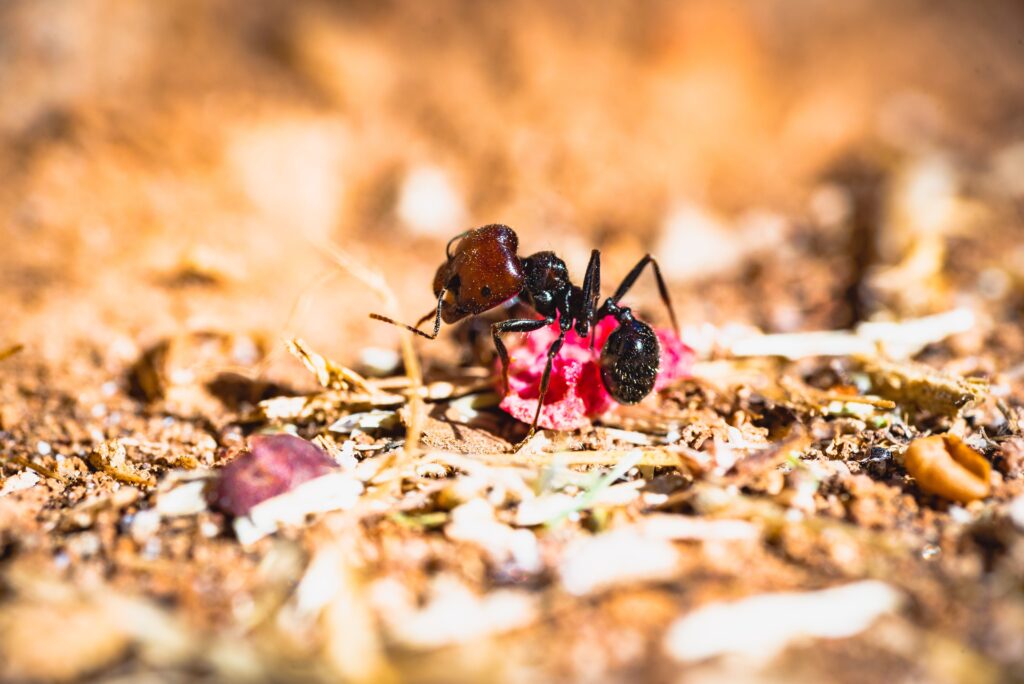
Why Ant Trails Appear in Spring
Spring weather triggers ants’ foraging behavior. As colonies become more active after cooler months, worker ants leave the nest to search for food and water. Once a resource is found, pheromone trails guide other ants directly to it.
Common spring triggers include:
- Warmer soil temperatures that stimulate colony growth
- Increased irrigation and rainfall
- Seasonal food preparation indoors
- Structural gaps that become accessible as materials expand
Ant trails often appear in kitchens, bathrooms, and near pet food areas. Outdoors, trails may follow foundation lines, fence posts, or landscaping borders.
In desert and semi-arid regions, moisture becomes especially valuable. Even small leaks or condensation points can attract foragers. What appears to be a minor line of ants is usually connected to a larger colony nearby.
Early professional assessment helps determine whether ants are nesting outdoors, inside wall voids, or beneath slab foundations. Each scenario requires a different ant control approach.
The Hidden Colony Behind the Trail
When homeowners see ants marching across a surface, it is easy to assume the problem is limited to what is visible. In reality, the visible workers represent only a small fraction of the colony.
Colonies may include:
- Thousands of worker ants
- Multiple nesting chambers
- Reproductive queens
- Satellite colonies connected to the main nest
Some species establish multiple nesting sites, especially when environmental conditions are favorable. This means eliminating surface ants without targeting the colony often results in rapid reappearance.
In certain climates, ant populations remain active much of the year. As discussed in strategies that provide five layers of protection, layered approaches are often necessary to interrupt foraging cycles and prevent reinfestation.
Professional ant control focuses on identifying the species involved, locating nesting zones, and disrupting colony communication pathways. Surface sprays alone rarely address the root cause.
Why DIY Methods Often Make It Worse
When ants appear, many homeowners reach for store-bought sprays or bait stations. While these methods may reduce visible numbers temporarily, they often fail to eliminate the colony.
Common limitations of DIY approaches include:
- Repellent sprays that scatter colonies instead of eliminating them
- Improper bait placement
- Incomplete coverage of entry points
- Misidentification of species
In desert and warm climates, incorrect treatment can actually drive ants deeper into walls or cause colonies to split. Colony fragmentation makes future control more complex.
As explained in discussions about DIY pest control fails, environmental factors significantly affect how treatments perform. What works in one climate may not be effective in another.
Professional ant control strategies are designed to avoid scattering behavior and to target colonies strategically. This often involves non-repellent products that allow worker ants to carry active materials back to the nest, reaching queens and developing larvae.
Structural and Environmental Factors That Attract Ants
Ant infestations rarely occur without underlying attractants. Identifying these factors is essential for long-term prevention.
Key risk areas include:
- Cracks in foundation slabs
- Gaps around windows and doors
- Plumbing penetrations
- Overwatered landscaping near exterior walls
Moisture is one of the most powerful attractants. Leaky irrigation lines or poor drainage can sustain ant colonies near the structure. Inside the home, crumbs, sugary spills, and pet food bowls provide consistent food sources.
Even when surfaces appear clean, ants may detect microscopic residue. Once a reliable source is identified, pheromone trails strengthen and foraging intensifies.
Professional inspections evaluate both structural vulnerabilities and environmental conditions. Sealing entry points, adjusting irrigation practices, and applying targeted treatments work together to reduce recurring activity.
In some cases, other pests such as cockroaches, spiders, earwigs, or crickets may also benefit from similar environmental conditions. Addressing ant trails early helps reduce broader pest pressures.
Why Early Professional Intervention Matters
Ant colonies grow quickly during spring. Warmer temperatures accelerate reproduction, and expanding food sources support rapid population increases.
Delaying professional ant control may result in:
- Expanded indoor nesting
- Multiple satellite colonies
- Increased difficulty locating the primary nest
- Repeated seasonal infestations
Early intervention disrupts colony growth before it becomes entrenched. Professional technicians assess activity patterns, identify species-specific behaviors, and apply targeted materials in precise locations.
Ant trails are not simply a cosmetic issue. They signal that a colony has already identified your property as a resource. Addressing the problem while activity is limited prevents long-term complications.
Spring presents an opportunity to control populations before summer heat intensifies foraging. Taking action early reduces structural risk and preserves interior comfort.
Stop Ant Trails Before They Take Over
If you are seeing ant trails this spring, do not wait for the colony to establish itself indoors. Contact EcoGen Pest Control to schedule a professional inspection and implement a strategic ant control plan designed for lasting results.