

Winter in Las Vegas rarely brings the prolonged freezing conditions seen elsewhere, but cooler nights can still change where pests travel and shelter. Commercial buildings offer predictable indoor temperatures, deliveries, storage areas, and access to food or water. A mouse moving behind inventory or cockroaches sheltering near plumbing may go unnoticed until employees discover repeated signs.
That is why commercial pest monitoring matters before winter arrives. Rather than assuming a quiet building is pest-free, our technicians establish where activity is occurring, what conditions support it, and how those findings change over time. Early attention protects operations without relying on broad, unnecessary treatment. It also creates a shared reference for managers, maintenance staff, and service technicians when recurring complaints arise in different parts of the same building.
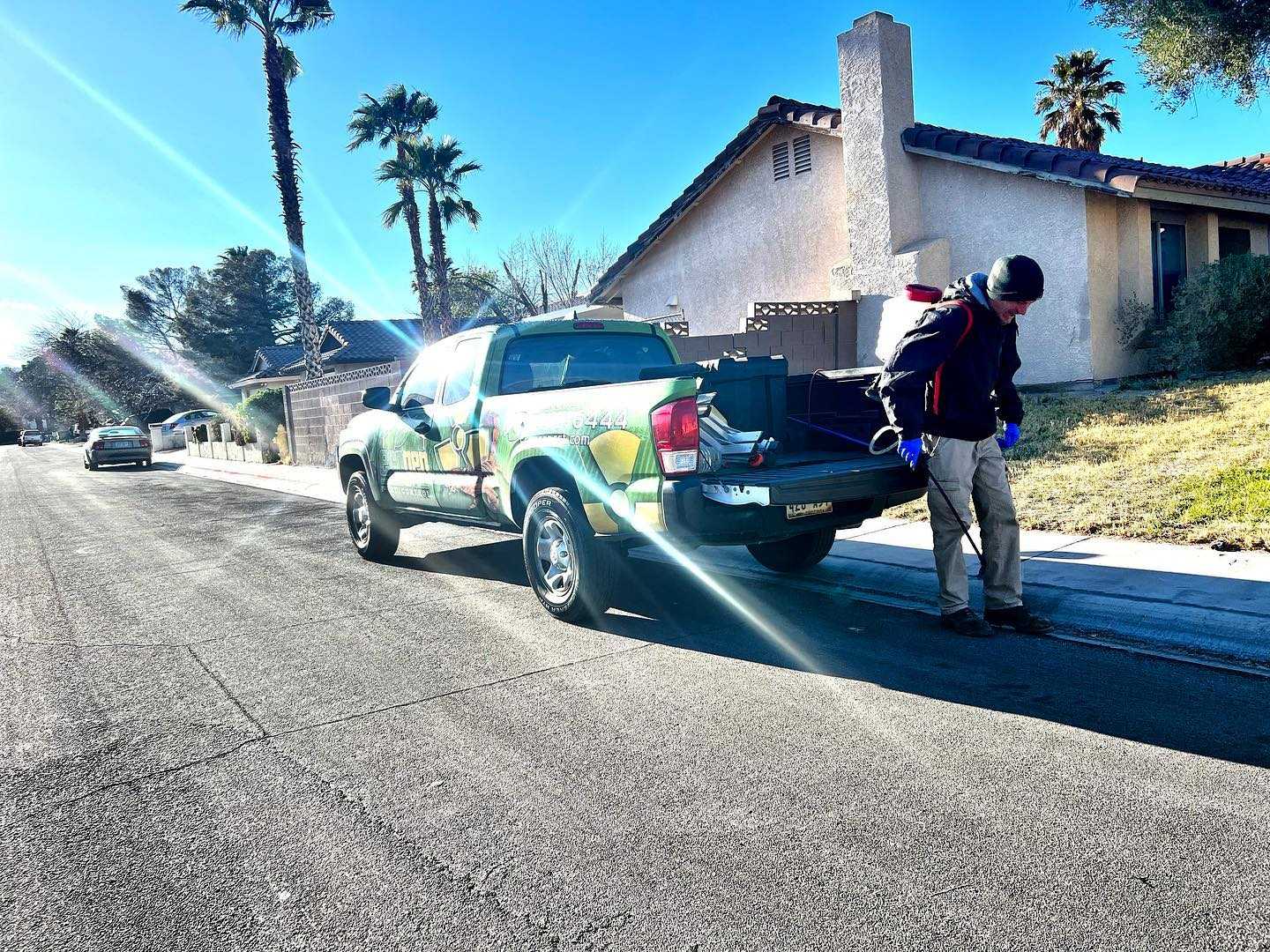
Seasonal Shifts Can Expose Weak Points in Commercial Buildings
Las Vegas properties face distinctive conditions: dry outdoor environments, irrigation around landscaping, frequent deliveries, and substantial differences between daytime and nighttime temperatures. Pests respond to available resources, not simply to a calendar. Cooler weather may make protected indoor routes more attractive, especially when access points already exist.
Several commercial locations deserve closer examination:
- Loading docks: Open doors and repeated deliveries create opportunities for rodents and crawling insects to enter.
- Stockrooms: Stacked cartons and limited movement can conceal droppings, gnaw marks, or insect activity.
- Plumbing corridors: Moisture and sheltered voids may support cockroaches and other moisture-seeking pests.
- Exterior landscaping: Irrigation, dense plants, and debris can provide shelter near building foundations.
- Shared walls: Connected units may allow pests to move between spaces without appearing in customer areas.
The aim is not to label every damp corner or open door an infestation. A technician looks for evidence, including tracks, damaged packaging, droppings, and repeated sightings. Our article on commercial pest protection explains why such problems can affect more than appearance, particularly when customers and employees expect clean, orderly surroundings.
By documenting where vulnerabilities occur before the season changes further, property managers gain a practical starting point for more accurate prevention.
Monitoring Makes Hidden Activity Easier to Identify
A one-time inspection offers a snapshot. Monitoring provides a series of observations that can reveal whether pest pressure is increasing, shifting locations, or responding to corrective work. That continuity is particularly useful in commercial buildings with multiple tenants, restricted-access spaces, or operating hours that leave some areas undisturbed overnight.
A site-specific program may involve:
- Rodent stations: Checking secured monitoring or bait stations where appropriate and recording signs of mice or rats.
- Activity records: Comparing fresh evidence with findings from previous visits to identify persistent hotspots.
- Entry-point reviews: Rechecking doors, vents, utility penetrations, and other vulnerable building transitions.
- Sanitation observations: Flagging accessible food, waste handling, or moisture conditions that may sustain activity.
- Targeted responses: Adjusting treatment locations and follow-up schedules according to observed pest patterns.
The findings help distinguish an isolated visitor from a recurring problem. For example, a single mouse sighting near a loading bay calls for investigation, but repeated droppings behind stored products suggest an established route needing further attention. Likewise, occasional ants near landscaping require a different response from ongoing cockroach evidence inside a breakroom.
Our technicians match treatment recommendations to the species identified and the property’s actual conditions. Monitoring does not guarantee that no pest will enter, but it reduces the likelihood that meaningful changes remain invisible for weeks.
Consistent Records Support Better Business Decisions
Commercial pest concerns carry operational consequences. Contaminated stock may need disposal, employees may lose time dealing with affected areas, and a visible pest can create an unwelcome customer experience. Certain businesses also have sanitation or inspection obligations that make clear service records particularly valuable. Preparing before winter helps managers address potential problems with less disruption.
Useful monitoring documentation includes:
- Inspection dates: A reliable timeline shows when conditions were checked and what was observed.
- Pest identification: Records distinguish rodents, ants, cockroaches, spiders, and other issues requiring different responses.
- Treatment details: Notes explain actions taken and why they were appropriate for the findings.
- Corrective recommendations: Documented access, storage, or moisture concerns clarify responsibilities beyond pest treatment.
- Follow-up results: Comparisons show whether activity has declined or further evaluation is warranted.
Regular communication also helps facility teams prioritize repairs without treating every observation as an emergency. A service report may identify a damaged door seal, while a later visit can verify whether the access issue has been corrected. This measured approach supports budgeting and accountability across departments.
As our discussion of seasonal pest changes explains, activity patterns evolve throughout the year. Winter monitoring works best as part of ongoing property care, with adjustments based on evidence rather than a fixed assumption that colder weather ends pest problems.
Give Winter Problems Less Room to Grow
If your commercial property needs a clearer picture of pest activity before winter, contact EcoGen Pest Control for a professional assessment. Our team can review vulnerabilities, explain monitoring options, and recommend a practical plan for your operations.