

How Commercial Pest Control Protects Las Vegas Businesses
Las Vegas businesses operate in an environment where extreme heat, dry soil, irrigation, deliveries, food access, landscaping, and constant building traffic can all influence pest


Las Vegas businesses operate in an environment where extreme heat, dry soil, irrigation, deliveries, food access, landscaping, and constant building traffic can all influence pest

Protecting a home from pests takes more than reacting to the insects or rodents that happen to be visible. In Las Vegas, ants, spiders, cockroaches,

Scorpions are a familiar concern across Southern Nevada because the desert environment gives them many opportunities to find shelter, prey, and access to buildings. Homes

As summer begins to ease in Las Vegas, pest pressure does not disappear. Hot days, warm nights, irrigation, food sources, and cooler indoor spaces can

Las Vegas summers create intense pest pressure around homes. High temperatures, dry soil, irrigation, warm nights, and dependable indoor resources can push insects and rodents

Las Vegas summers create intense conditions for homes and the pests that surround them. High temperatures, dry soil, irrigation, shade, and dependable indoor resources can
Eco-friendly pest control is often associated with gentler products and reduced environmental impact, but effectiveness still depends on how, where, and why treatments are applied.
Preparing for a professional pest treatment helps technicians inspect accurately, work efficiently, and place treatment where evidence shows it is needed. The exact instructions can
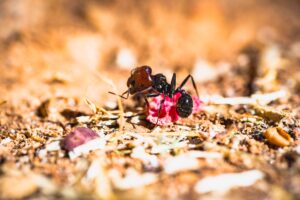
Summer conditions in Las Vegas place pressure on ants. Extreme heat dries soil, reduces outdoor moisture, and changes where colonies search for food and water.
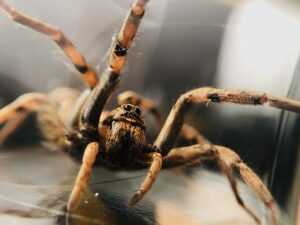
Summer heat changes where spiders and their prey gather around Las Vegas homes. As outdoor temperatures rise, insects move toward shade, irrigation, garages, patios, foundations,